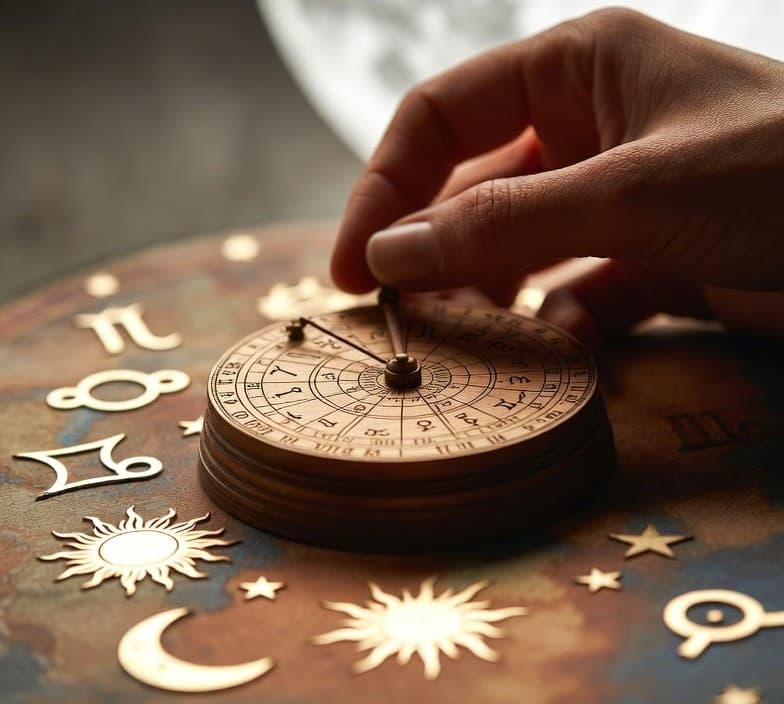
The Birth Chart Shows Potential, Timing Shows Activation
Your birth chart is like a map of your karmic tendencies, strengths, challenges, and possible life experiences. But not every promise in the chart becomes active at the same time.
For example:
- A person may have strong indications for wealth
- Another may have yogas for marriage
- Someone else may have a powerful spiritual or leadership chart
Yet these results usually unfold in their own time. Timing techniques help identify when a particular area of life becomes more active and influential.
This is why two people with similar combinations in their charts may experience major life events at very different stages of life.
Why Timing Matters So Much
Timing matters because life moves in cycles. There are phases when certain efforts flow more easily, and other phases when delays, tests, or inner preparation are more likely.
In Vedic astrology, proper timing can help a person understand:
- When to act boldly
- When to stay patient
- When to expect change
- When to focus on healing or discipline
- When opportunities are more likely to open
Without timing, astrology remains incomplete. It may describe what is possible, but not when that possibility is likely to become real.
Dashas: The Planetary Periods of Life
One of the most important timing tools in Vedic astrology is the Dasha system, especially the Vimshottari Dasha. Dashas show which planet is ruling a certain period of your life and what themes may become more prominent during that time.
Each planet carries different meanings:
- Sun may highlight authority, confidence, status, or father-related themes
- Moon may bring focus to emotions, home, mind, and relationships
- Mars may activate courage, conflict, property, or drive
- Mercury may bring communication, business, intellect, and learning
- Jupiter may support wisdom, growth, family, or guidance
- Venus may influence love, comfort, beauty, and pleasures
- Saturn may bring discipline, delay, karma, responsibility, and endurance
The result of a Dasha depends on the planet’s placement, strength, house ownership, and overall chart support. A strong planetary period can bring progress, while a difficult one may bring lessons and restructuring.
Transits: The Current Movement of Planets
Along with Dashas, planetary transits (Gochar) play a major role in timing. Transits show how current planetary movements interact with your birth chart and Moon sign.
For example:
- Saturn transit may bring responsibility, delay, maturity, or karmic pressure
- Jupiter transit may bring opportunities, wisdom, support, and expansion
- Rahu and Ketu transits may bring unexpected events, confusion, detachment, or karmic shifts
Transits often trigger the promises shown in the birth chart and Dashas. This is why astrologers usually do not rely on transits alone. A transit becomes far more meaningful when it supports what is already indicated in the chart and active planetary period.
The Right Event at the Wrong Time May Not Work
A very important principle in Vedic astrology is that even a good event may face obstacles if the timing is not supportive.
For example:
- A person may try to change jobs during a difficult Saturn or Rahu period and face delays
- A marriage proposal may come during an emotionally unstable period and not move smoothly
- A business may be launched during an unfavorable phase and require extra struggle
This does not mean nothing should ever be done during difficult periods. It means that timing helps set realistic expectations. Sometimes a phase is better for planning, learning, healing, or laying foundations rather than forcing quick results.
Timing Helps Reduce Confusion
Many people feel confused when life does not move according to their expectations. They may ask:
- Why is success delayed even after hard work?
- Why do some relationships come at the wrong time?
- Why is one year smooth and another emotionally heavy?
- Why does effort sometimes give results quickly and sometimes not at all?
Timing in Vedic astrology helps answer these questions. It shows that life does not unfold randomly. Different periods activate different karmas, responsibilities, and opportunities.
This understanding can bring patience and clarity.
Muhurta: Choosing the Right Time for Important Actions
Another powerful aspect of timing in Vedic astrology is Muhurta, which means selecting an auspicious time to begin something important.
Muhurta is commonly used for:
- Marriage
- Griha Pravesh
- Starting a new business
- Signing major agreements
- Travel
- Naming ceremonies
- Property purchase
- Religious rituals
The idea is simple: when something begins at a well-chosen time, its journey is believed to carry more harmony and support. Muhurta does not replace personal effort, but it helps align action with favorable cosmic timing.
Timing Does Not Remove Free Will
It is important to understand that timing does not make a person helpless. Vedic astrology does not mean that everything happens automatically without effort.
Instead, timing helps answer:
- Which phase supports action?
- Which phase requires patience?
- Where should energy be focused right now?
- What lessons are active in the present period?
Free will still matters. Discipline, wisdom, preparation, and right choices remain essential. Good timing can support success, but effort is still needed. Similarly, even a difficult period can be handled better through awareness and maturity.
Personal Growth Through Right Timing
Understanding timing can also support emotional and spiritual growth. Instead of becoming frustrated by every delay, a person may begin to see that different life phases serve different purposes.
Some periods are for:
- Building discipline
- Letting go of old patterns
- Rebuilding confidence
- Strengthening relationships
- Deepening spiritual understanding
- Preparing for future success
This makes timing not only predictive, but also deeply meaningful for self-awareness.
Why Timing Matters in Real Life
In practical life, timing matters because it helps a person align decisions with their current life phase. It can help with:
- Career planning
- Marriage decisions
- Financial caution or expansion
- Health awareness
- Education and travel choices
- Spiritual practices and inner healing
A good astrologer does not simply tell what may happen. They also try to understand when that potential is likely to become active and how the person can use that phase wisely.
Final Thoughts
Timing is one of the reasons Vedic astrology remains such a detailed and respected system. It recognizes that life unfolds in cycles, and that every chart promise has its own season of activation.
By using tools like Dashas, transits, and Muhurta, Vedic astrology helps people understand not just what is possible in life, but when to move forward, when to wait, and when to prepare inwardly.
Conclusion
Why timing matters in Vedic astrology comes down to one simple truth: the birth chart shows potential, but timing shows when that potential is likely to unfold. Whether it is career, marriage, finances, health, or spiritual growth, right timing adds depth, clarity, and practical value to astrological guidance.
When understood wisely, timing can help people make better decisions, stay patient during delays, and move through life with greater awareness and balance.